Zakat Guide · The Third Pillar

Zakat: A Complete UK Guide

Zakat is one of the five pillars of Islam - obligatory, not optional, for every Muslim whose wealth qualifies. This guide sets out what zakat is, who must pay it, how much is due, and who can receive it, using the sources without wandering into rulings that need a scholar's judgement.

Want to work out your own figure straight away? Our free zakat calculator uses today's prices to show your nisab and your zakat due in under two minutes.

What zakat is Who must pay The 2.5% rate Nisab, explained The eight recipients

The short version

  • Zakat is an obligatory annual payment of 2.5% on qualifying wealth held for one full lunar year (hawl), once that wealth is above the nisab threshold.
  • Nisab is measured in gold (87.48 grams) or silver (612.36 grams) - practice varies between communities, and Aid For Mankind does not take a position on which to use. Our calculator shows today's monetary value of both.
  • Zakat applies to wealth such as cash, savings, gold and silver, business stock, and money owed to you - not to your home or everyday possessions.
  • Zakat can only go to the eight categories named in the Qur'an (9:60) - it is not general charity.
  • Unsure about your own situation? This guide covers the general position; a scholar can help with anything unusual.
The basics

What Is Zakat?

Zakat, from the Arabic for purification and growth, is the third of the five pillars of Islam. It is reported in Sahih al-Bukhari that the Prophet ﷺ described Islam as built on five foundations: the testimony of faith, the five daily prayers, zakat, fasting Ramadan, and Hajj. Zakat sits among these as an obligation - due from every adult Muslim whose wealth is above the nisab threshold and held for a full lunar year, not as an optional act of generosity.

Zakat is distinct from sadaqah, voluntary charity that can be given at any time, in any amount, to anyone. Zakat has fixed rules: a fixed rate, a fixed threshold, a fixed group of recipients, and a fixed timeframe.

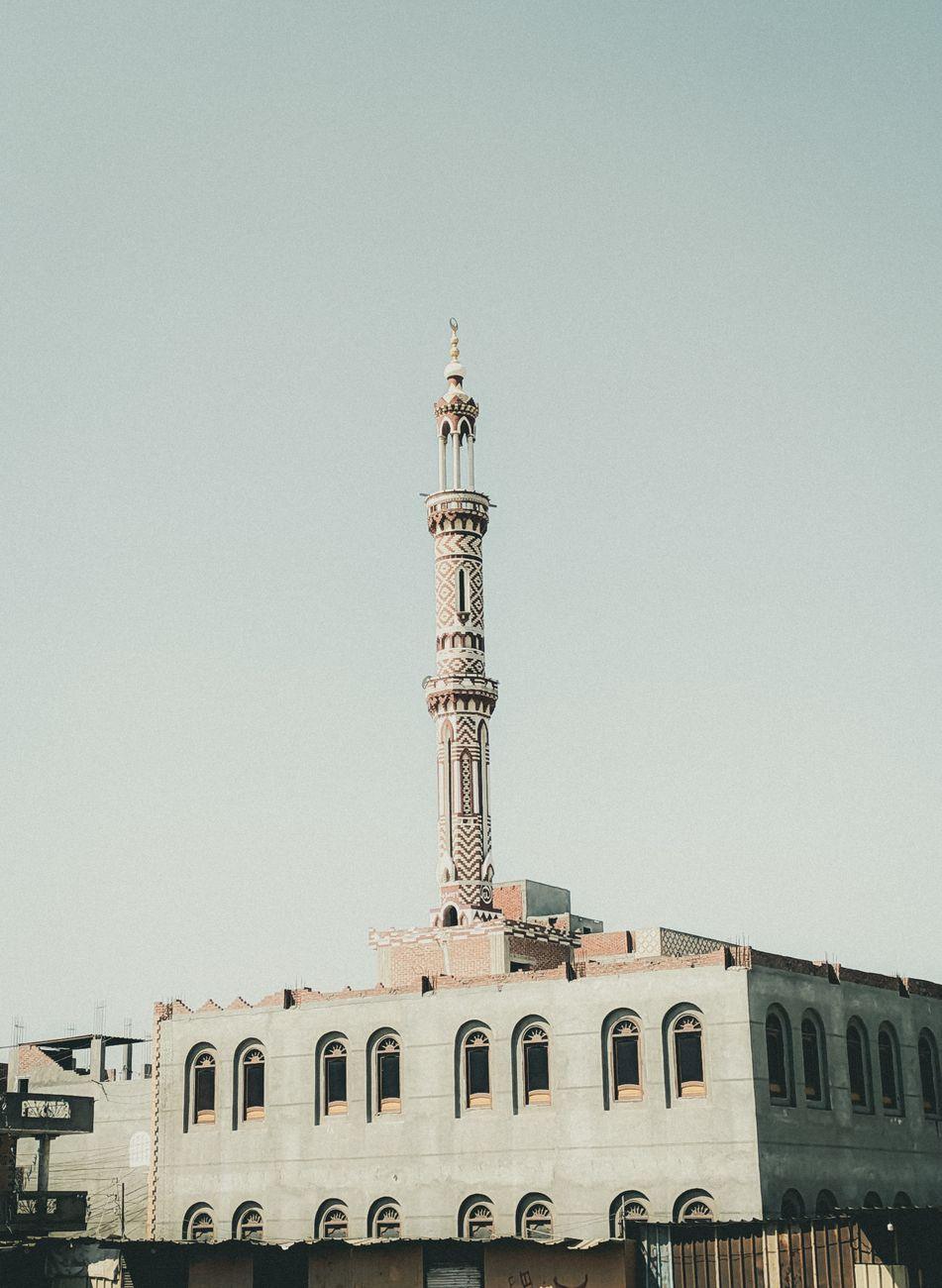
Minaret of a mosque against a pale morning sky
The third pillar of Islam - due once your wealth completes a lunar year
The conditions

Who Must Pay Zakat?

Zakat is due from every sane, adult Muslim whose zakatable wealth is at or above the nisab threshold, and who has held that level of wealth for one full lunar year (hawl). Below nisab, zakat is not obligatory, though voluntary sadaqah is always welcome.

Nisab - the threshold, explained

Nisab is the minimum amount of wealth a person must hold before zakat becomes due. It is measured against two metals: gold (87.48 grams) or silver (612.36 grams). Because metal prices move daily, nisab has no fixed pound figure - only a gram threshold. For today's monetary value, use our free zakat calculator, which updates with current prices.

Honestly said

  • Gold or silver nisab - many scholars advise using the silver threshold, since it is lower and brings more people into paying zakat, meaning more support reaches the poor; others use the gold threshold. Practice varies between communities, and Aid For Mankind does not take a position - our calculator checks your wealth against both.
  • The lunar year (hawl) - zakat is due once wealth has been held above nisab for a full Islamic year, not a calendar year. Many people fix their zakat date to Ramadan for convenience and reward - a personal choice, not a requirement.
The rate

The 2.5% Rate

For most zakatable wealth - cash, savings, gold, silver and business stock - the rate due is 2.5% of the amount held above nisab. A small number of categories, such as agricultural produce and livestock, follow different rates and conditions; these fall outside this guide, and complex cases like these are best worked through with a scholar.

For a full step-by-step walkthrough - listing your assets, subtracting debts, comparing to nisab, and applying the rate, with a worked example - see our companion guide: How To Calculate Zakat, Step by Step.

A man raises his hands in dua, palms open
Your Zakat is given directly into the hands that need it
The recipients

Who Receives Zakat?

Zakat cannot go anywhere a giver simply chooses. Qur'an 9:60 names eight categories of people it may reach: the poor, the needy, those who administer it, those whose hearts are to be reconciled, those in bondage, those in debt, those striving in the cause of Allah, and the wayfarer.

For what each category means in plain English, and who cannot receive zakat, see our companion guide: Who Can Receive Zakat? The Eight Categories.

Common questions

Zakat - Your Questions Answered

Is zakat compulsory?

Yes. Zakat is one of the five pillars of Islam and is obligatory on every adult Muslim whose wealth is above the nisab threshold for a full lunar year. It is reported in Sahih al-Bukhari that the Prophet ﴾ named zakat among the five foundations Islam is built upon.

What is nisab?

Nisab is the minimum level of wealth before zakat is due, measured as 87.48 grams of gold or 612.36 grams of silver. The pound value changes daily with metal prices, so there is no fixed figure - use our calculator for today's value.

Do I pay zakat on my house or car?

No. Zakat applies to zakatable wealth such as cash, savings, gold, silver, business stock and money owed to you - not to your home, car, or everyday possessions you use rather than hold as wealth.

Can I pay zakat at any time of year?

Yes, whenever your zakat year (hawl) falls due. Many people choose Ramadan for the reward and reflection it brings, but this is a personal choice, not a requirement.

What if I'm not sure whether I owe zakat?

Use our calculator as a starting point, and for anything unusual - business assets, pensions, shared ownership - speak to a scholar you trust rather than guessing.

Can I give zakat to family members?

Zakat generally cannot go to those you are already obliged to support, such as your children or spouse. Giving to other relatives, such as siblings, who qualify and are not your dependants is often encouraged. Practice varies between communities, and Aid For Mankind does not take a position - a scholar can advise on your specific family situation.

Ready when you are

Give Your Zakat

Once you know your figure - our calculator will help - you can give your zakat directly. Select Zakat as your cause when you donate. Aid For Mankind operates a 100% donation policy, so your zakat goes directly to those who need it most.

Give your zakat ↓
Link copied

Fulfil your obligation

Your Zakat. Given with care.

Zakat is the third pillar of Islam - 2.5% of qualifying wealth held for a lunar year, distributed to the eight categories named in the Qur'an (Surah At-Tawbah, 9:60). Choose your amount below and we will mark your gift as Zakat.

1 Amount
£
Any amount from £5.
Please enter at least £5.
2 How often
One-off
MonthlySplit your Zakat across the year
Add Gift Aid+25%
If you are a UK taxpayer, we can reclaim 25p for every £1 you give - at no extra cost to you.
Your ZakatZakat · Where most needed
£25
A meaningful share of Zakat
Your gift£25
Gift Aid from HMRC (+25%)+£6.25
Total impact£31.25

Marked as Zakat - distributed only to those entitled to receive it under the eight categories.
Secure payment via WooCommerce · Registered UK Charity No. 1202015 · 100% donation policy · Gift Aid eligible

Rebuilding Gaza

Donate to Aid for Mankind

Select Cause

  • --Select Cause--

Gift Aid Boost Your Donation

Gift Aid is reclaimed by the charity from the tax you pay for the current tax year. Your address is needed to identify you as a current UK taxpayer.

I want to Gift Aid my donation and any donations I make in the future or have made in the past 4 years to Aid For Mankind. I am a UK taxpayer and understand that if I pay less Income Tax and/or Capital Gains Tax than the amount of Gift Aid claimed on all my donations in that tax year, it is my responsibility to pay any difference.
 
Keep this guide

Have This Sent To You

Leave your email and we will send you this guide, so it is easy to find again when you need it. No pressure, ever, and you can unsubscribe any time.

Aid For Mankind · Registered UK Charity No. 1202015 · 100% donation policy · Gift Aid eligible