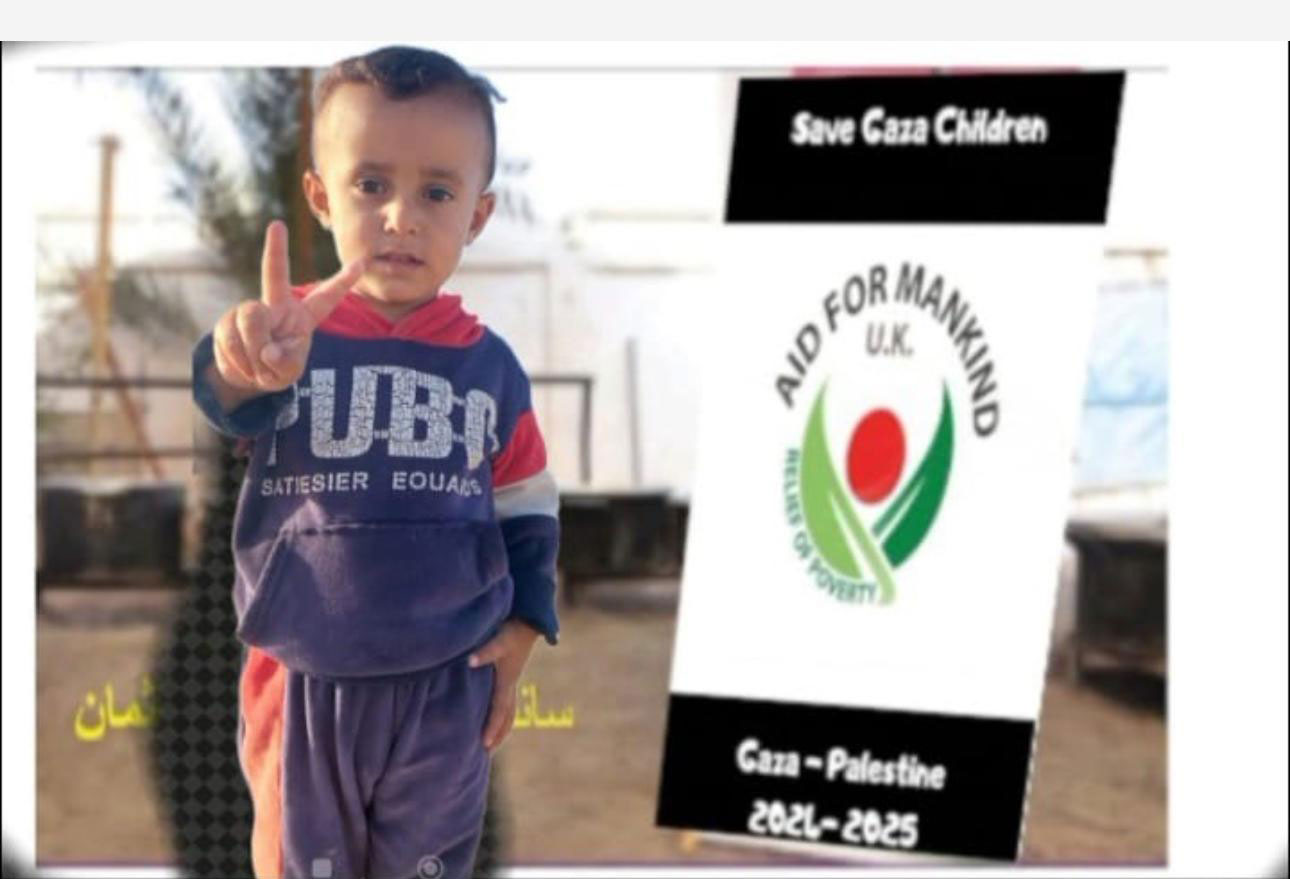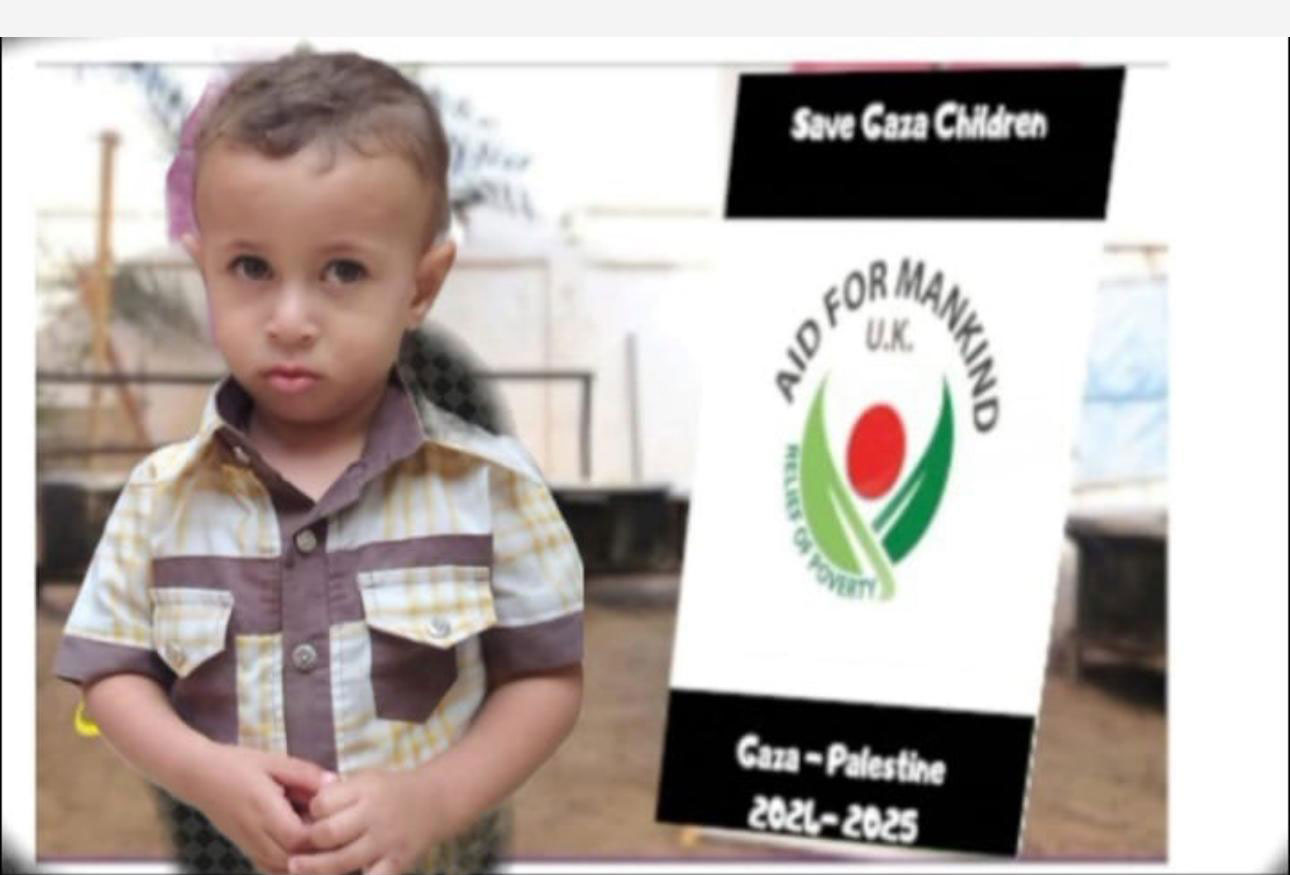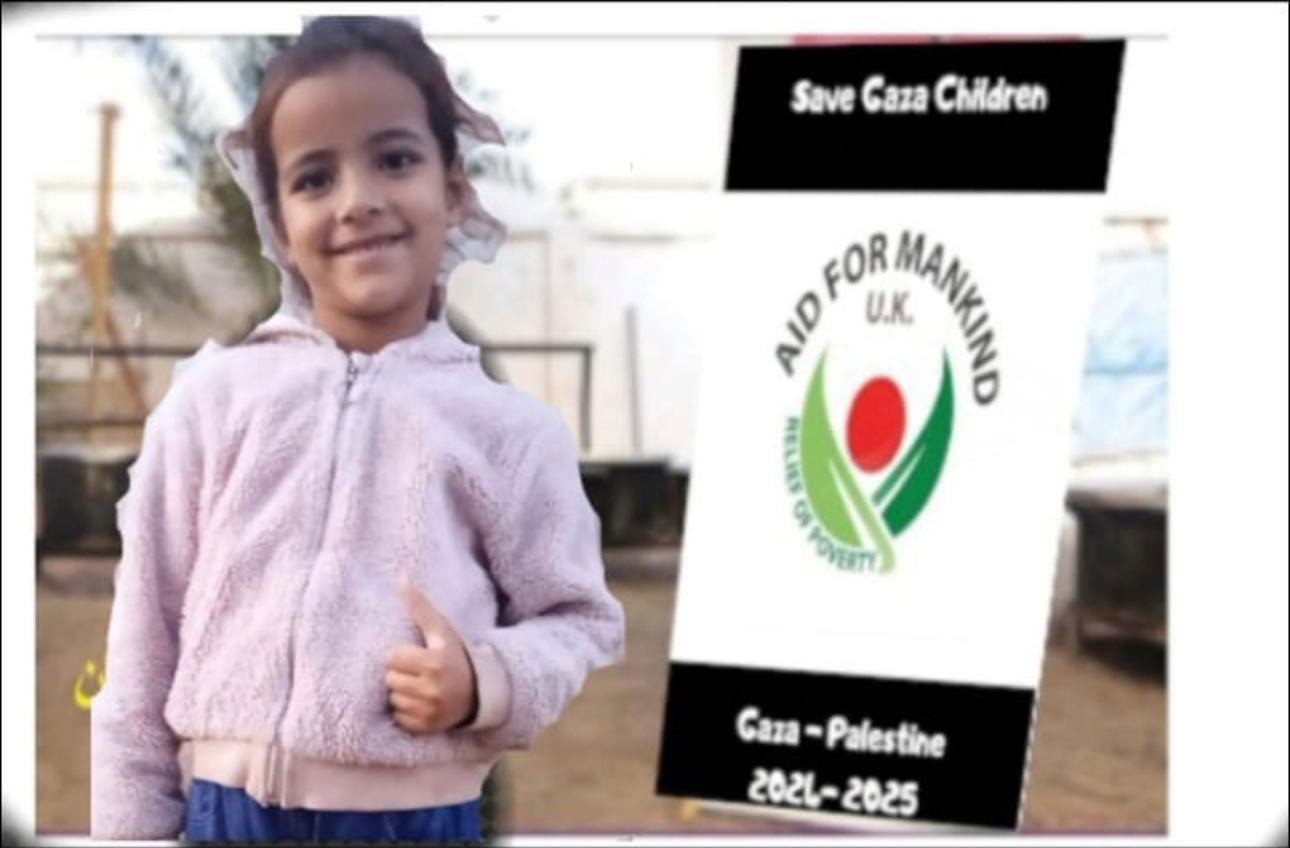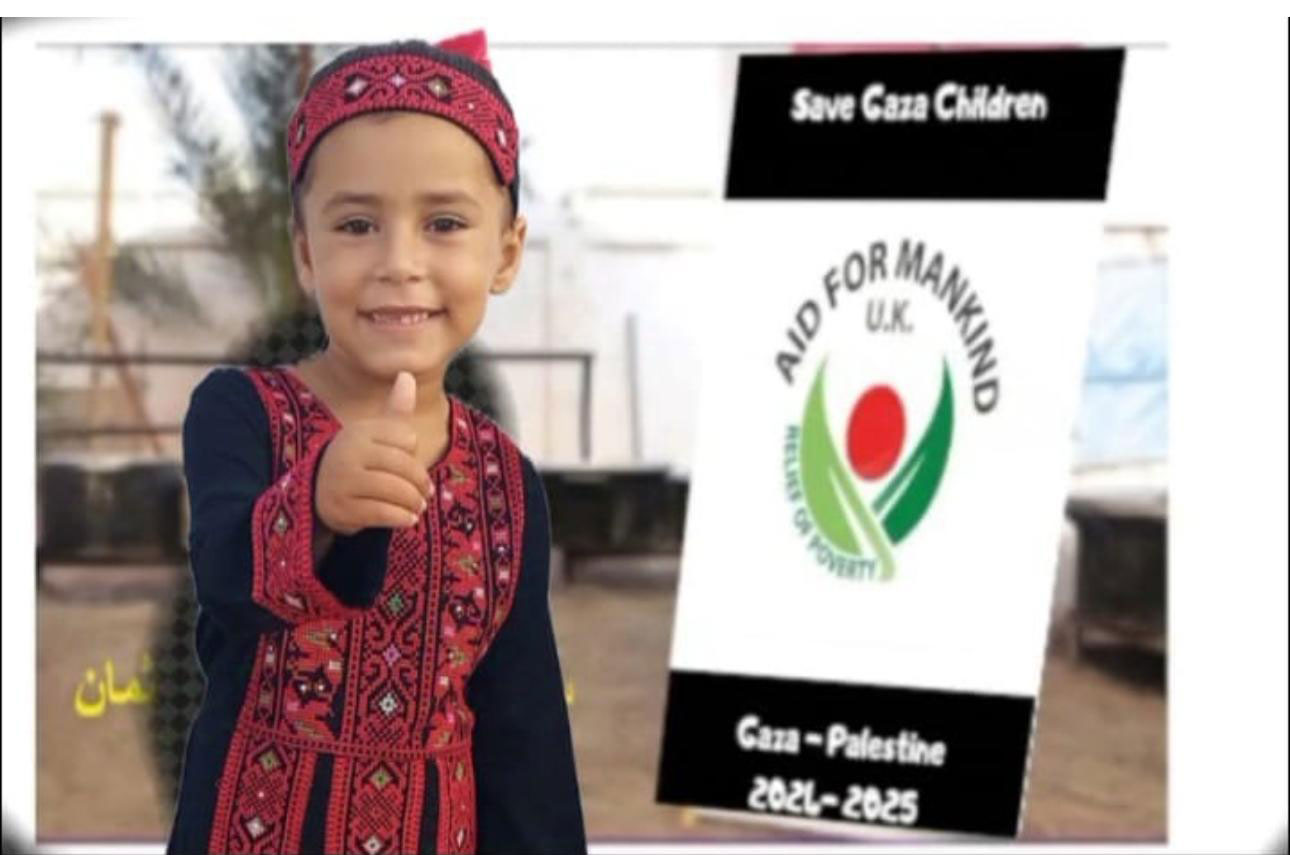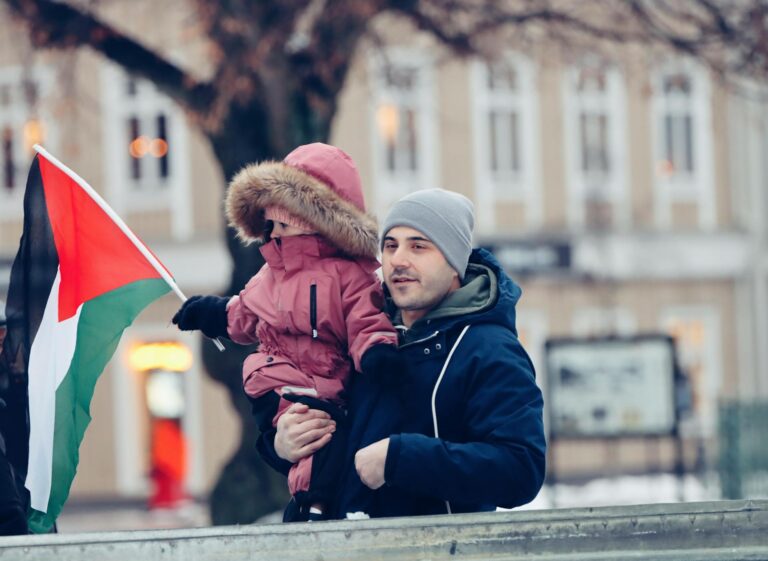
The 7th of October 2023 is a date that most...
Read MoreIf you are reading this because someone has died, may Allah give you and your family ease. The janazah prayer is short, it is simple, and you do not need to have prayed it before. This page walks you through every step - what to say, when to say it, and what to do if you lose your place.
It takes about two minutes to pray. It takes about five minutes to learn.
That is the whole shape of it. The rest of this page fills in what is said at each stage, and shows the duas in Arabic, in English letters so you can read them aloud, and in English meaning.
A few practical things that are easier to know beforehand than to work out on the day.
The janazah prayer requires wudu, the same as any prayer. If you arrive at the mosque without it, there is almost always time - the prayer is usually held after one of the daily congregational prayers.
The congregation lines up in rows behind the imam, facing the qibla, exactly as in any other prayer. It is reported in the sunnah that forming odd-numbered rows was encouraged, and many communities aim for three rows where numbers allow. If the rows are already formed when you arrive, simply join the back and begin.
The body is placed in front of the imam, between the imam and the qibla. The imam stands level with the deceased. Practice on exactly where the imam stands - level with the head, or level with the middle - varies between communities and between the case of a man and a woman. Follow whatever your local imam does; the prayer is valid either way.
Form the intention in your heart to pray the janazah prayer for this deceased person, following the imam. The intention is a matter of the heart - there is no set formula that has to be spoken aloud.
Each takbir is simply saying "Allahu akbar". After each one, something different is recited quietly. Your hands stay folded between the takbirs, as in the standing position of any prayer.
Raise your hands to the ears or shoulders and say Allahu akbar, then fold your hands.
What is recited next is one of the places where the schools differ, and each position is well established:
• In the Shafi'i and Hanbali schools, Surah al-Fatiha is recited here, and is held to be essential to the prayer.
• In the Hanafi school, al-Fatiha is not recited as such; the thana (Subhanaka Allahumma) is said instead.
• In the Maliki school there is no fixed recitation at this point - the emphasis is on praise of Allah and supplication.
The reasoning of the Hanafi and Maliki scholars is that the janazah prayer is in essence a supplication for the deceased rather than a prayer with ruku and sujud. The Shafi'i and Hanbali scholars hold al-Fatiha to be required as in any prayer.
If you are praying behind an imam, simply recite quietly whichever your own community follows. You are not being asked to settle a difference the scholars have discussed for centuries.
Say Allahu akbar (without raising the hands, in the Hanafi practice; raising them at each takbir is the practice in the other schools - again, both are established).
Then recite the salawat - the same durood you say in the sitting position of your daily prayers. The full text is below.
Say Allahu akbar, then make dua for the person who has died. This is the purpose of the whole prayer - the janazah prayer is, at its heart, the community standing together to ask Allah's forgiveness for one of their own.
The best known dua is given in full below. If you do not know it, any sincere dua for their forgiveness and mercy is accepted. You are not required to recite from memory.
Say Allahu akbar, then pause briefly. Many recite a short dua here, such as "Allahumma la tahrimna ajrahu wa la taftinna ba'dahu" - "O Allah, do not deprive us of his reward and do not put us to trial after him."
Then give the salaam: turn the head to the right saying "As-salamu alaykum wa rahmatullah", and then to the left saying the same. Some communities give one salaam rather than two; both are practised.
That is the prayer complete.
Arabic, then the pronunciation in English letters, then the meaning. If you are standing at a graveside with your phone, this is the section you need.
سُبْحَانَكَ اللَّهُمَّ وَبِحَمْدِكَ وَتَبَارَكَ اسْمُكَ وَتَعَالَى جَدُّكَ وَجَلَّ ثَنَاؤُكَ وَلَا إِلَهَ غَيْرُكَ
Subhanaka Allahumma wa bihamdika, wa tabaraka-smuka, wa ta'ala jadduka, wa jalla thana'uka, wa la ilaha ghayruk.
"Glory be to You, O Allah, and all praise is Yours. Blessed is Your name, exalted is Your majesty, and glorified is Your praise. There is no god but You."
The opening chapter of the Qur'an, which you already recite in every unit of every daily prayer. No change is made to it here.
Not recited at this point in the Hanafi school, where the thana above is said, nor fixed in the Maliki school. Follow your own community.
اللَّهُمَّ صَلِّ عَلَى مُحَمَّدٍ وَعَلَى آلِ مُحَمَّدٍ كَمَا صَلَّيْتَ عَلَى إِبْرَاهِيمَ وَعَلَى آلِ إِبْرَاهِيمَ إِنَّكَ حَمِيدٌ مَجِيدٌ
Allahumma salli 'ala Muhammadin wa 'ala ali Muhammad, kama sallayta 'ala Ibrahima wa 'ala ali Ibrahim, innaka Hamidun Majid.
"O Allah, send blessings upon Muhammad and upon the family of Muhammad, as You sent blessings upon Ibrahim and upon the family of Ibrahim. Indeed You are Praiseworthy, Glorious."
Followed by the second half beginning "Allahumma barik 'ala Muhammad...", as in your daily prayers.
اللَّهُمَّ اغْفِرْ لِحَيِّنَا وَمَيِّتِنَا وَشَاهِدِنَا وَغَائِبِنَا وَصَغِيرِنَا وَكَبِيرِنَا وَذَكَرِنَا وَأُنْثَانَا
اللَّهُمَّ مَنْ أَحْيَيْتَهُ مِنَّا فَأَحْيِهِ عَلَى الإِسْلَامِ وَمَنْ تَوَفَّيْتَهُ مِنَّا فَتَوَفَّهُ عَلَى الإِيمَانِ
Allahumma-ghfir li hayyina wa mayyitina, wa shahidina wa gha'ibina, wa saghirina wa kabirina, wa dhakarina wa unthana. Allahumma man ahyaytahu minna fa-ahyihi 'ala'l-Islam, wa man tawaffaytahu minna fa-tawaffahu 'ala'l-iman.
"O Allah, forgive our living and our dead, those of us present and those absent, our young and our old, our males and our females. O Allah, whoever among us You keep alive, keep him alive upon Islam, and whoever among us You take, take him upon faith."
It is reported in Sunan Abi Dawud, Sunan al-Tirmidhi and Sunan Ibn Majah.
اللَّهُمَّ اجْعَلْهُ لَنَا فَرَطًا وَسَلَفًا وَذُخْرًا
Allahumma-j'alhu lana faratan wa salafan wa dhukhra.
"O Allah, make him one who goes ahead of us, a preceding reward and a treasure for us."
For a girl, the feminine forms are used in place of the masculine. A child who has not reached the age of responsibility has no sins to seek forgiveness for, so the dua turns instead to asking that they be a source of reward for the family who remain. Wording varies between communities - follow your imam.
Aid For Mankind does not take a position on these. All of them are held by established scholarship, and you should follow your own imam and community. We list them so that nothing surprises you on the day.
None of these differences invalidate the prayer. If you find yourself in a congregation doing it differently from how you learned, follow the imam and be at ease.
This is the fear that keeps people at the back of the hall. It should not.
Join in at whatever takbir the imam is on. When the imam gives the salaam, complete the takbirs you missed - saying them one after another - and then give your own salaam. If the body is being lifted before you finish, you may complete the remaining takbirs without delay.
Ask Allah in your own words, in English if that is your language. "O Allah, forgive him, have mercy on him, and grant him peace" is a complete and accepted dua. Sincerity is what is asked of you, not fluency in Arabic.
Follow the imam. He will give the salaam at the end and you simply follow. There is nothing you can break.
Stand in the row, follow the person next to you, and make dua for the person who has died. That is the prayer. Nobody is watching you, and every single person in that row was once standing there for the first time.
You have prayed for them. There is one more thing you can still do.
When Sa'd ibn Ubadah (may Allah be pleased with him) lost his mother while he was away, he went to the Prophet ﷺ and asked what he could still do for her. The answer was water - so he dug a well, and dedicated it with five words: "This is for Umm Sa'd." It is reported in Sunan Abi Dawud.
Fourteen centuries later, families still do the same. Aid For Mankind's desalination plant in Gaza is already running - water given in a loved one's name is not a promise of a future project, it flows today.
In their name
When Sa'd ibn Ubadah lost his mother, he asked the Prophet ﷺ what he could still do for her - and dug a well in her name (reported in Sunan Abi Dawud). Fourteen centuries later, families still do the same.
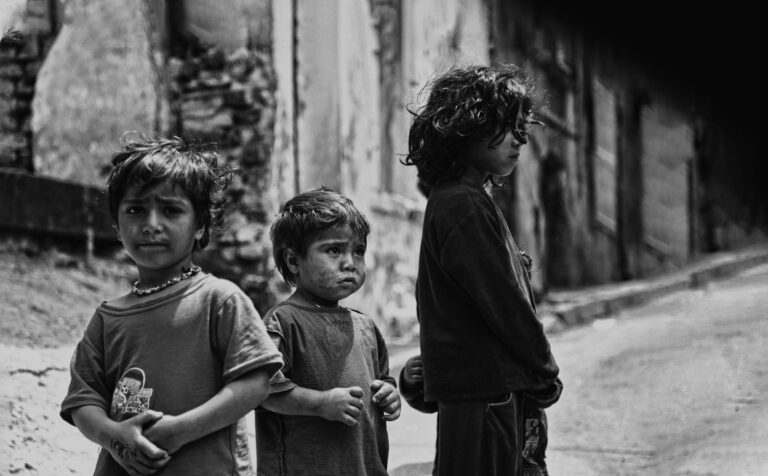
Each child here has lost their father. Your gift supports our orphan care programme in Gaza - it directly benefits the child you choose, along with their siblings and the children in their care network.
Your gift is given in their name - a place where their kindness lives on.
Secure payment via WooCommerce · Registered UK Charity No. 1202015 · 100% donation policy · Gift Aid eligible


Gift Aid is reclaimed by the charity from the tax you pay for the current tax year. Your address is needed to identify you as a current UK taxpayer.
I want to Gift Aid my donation and any donations I make in the future or have made in the past 4 years to Aid For Mankind. I am a UK taxpayer and understand that if I pay less Income Tax and/or Capital Gains Tax than the amount of Gift Aid claimed on all my donations in that tax year, it is my responsibility to pay any difference.


Gift Aid is reclaimed by the charity from the tax you pay for the current tax year. Your address is needed to identify you as a current UK taxpayer.
I want to Gift Aid my donation and any donations I make in the future or have made in the past 4 years to Aid For Mankind. I am a UK taxpayer and understand that if I pay less Income Tax and/or Capital Gains Tax than the amount of Gift Aid claimed on all my donations in that tax year, it is my responsibility to pay any difference.


Gift Aid is reclaimed by the charity from the tax you pay for the current tax year. Your address is needed to identify you as a current UK taxpayer.
I want to Gift Aid my donation and any donations I make in the future or have made in the past 4 years to Aid For Mankind. I am a UK taxpayer and understand that if I pay less Income Tax and/or Capital Gains Tax than the amount of Gift Aid claimed on all my donations in that tax year, it is my responsibility to pay any difference.


Gift Aid is reclaimed by the charity from the tax you pay for the current tax year. Your address is needed to identify you as a current UK taxpayer.
I want to Gift Aid my donation and any donations I make in the future or have made in the past 4 years to Aid For Mankind. I am a UK taxpayer and understand that if I pay less Income Tax and/or Capital Gains Tax than the amount of Gift Aid claimed on all my donations in that tax year, it is my responsibility to pay any difference.


Gift Aid is reclaimed by the charity from the tax you pay for the current tax year. Your address is needed to identify you as a current UK taxpayer.
I want to Gift Aid my donation and any donations I make in the future or have made in the past 4 years to Aid For Mankind. I am a UK taxpayer and understand that if I pay less Income Tax and/or Capital Gains Tax than the amount of Gift Aid claimed on all my donations in that tax year, it is my responsibility to pay any difference.


Gift Aid is reclaimed by the charity from the tax you pay for the current tax year. Your address is needed to identify you as a current UK taxpayer.
I want to Gift Aid my donation and any donations I make in the future or have made in the past 4 years to Aid For Mankind. I am a UK taxpayer and understand that if I pay less Income Tax and/or Capital Gains Tax than the amount of Gift Aid claimed on all my donations in that tax year, it is my responsibility to pay any difference.


Gift Aid is reclaimed by the charity from the tax you pay for the current tax year. Your address is needed to identify you as a current UK taxpayer.
I want to Gift Aid my donation and any donations I make in the future or have made in the past 4 years to Aid For Mankind. I am a UK taxpayer and understand that if I pay less Income Tax and/or Capital Gains Tax than the amount of Gift Aid claimed on all my donations in that tax year, it is my responsibility to pay any difference.


Gift Aid is reclaimed by the charity from the tax you pay for the current tax year. Your address is needed to identify you as a current UK taxpayer.
I want to Gift Aid my donation and any donations I make in the future or have made in the past 4 years to Aid For Mankind. I am a UK taxpayer and understand that if I pay less Income Tax and/or Capital Gains Tax than the amount of Gift Aid claimed on all my donations in that tax year, it is my responsibility to pay any difference.


Gift Aid is reclaimed by the charity from the tax you pay for the current tax year. Your address is needed to identify you as a current UK taxpayer.
I want to Gift Aid my donation and any donations I make in the future or have made in the past 4 years to Aid For Mankind. I am a UK taxpayer and understand that if I pay less Income Tax and/or Capital Gains Tax than the amount of Gift Aid claimed on all my donations in that tax year, it is my responsibility to pay any difference.


Gift Aid is reclaimed by the charity from the tax you pay for the current tax year. Your address is needed to identify you as a current UK taxpayer.
I want to Gift Aid my donation and any donations I make in the future or have made in the past 4 years to Aid For Mankind. I am a UK taxpayer and understand that if I pay less Income Tax and/or Capital Gains Tax than the amount of Gift Aid claimed on all my donations in that tax year, it is my responsibility to pay any difference.


Gift Aid is reclaimed by the charity from the tax you pay for the current tax year. Your address is needed to identify you as a current UK taxpayer.
I want to Gift Aid my donation and any donations I make in the future or have made in the past 4 years to Aid For Mankind. I am a UK taxpayer and understand that if I pay less Income Tax and/or Capital Gains Tax than the amount of Gift Aid claimed on all my donations in that tax year, it is my responsibility to pay any difference.
Four. Each is a saying of "Allahu akbar", and after each one something different is recited - the opening, the salawat on the Prophet ﷺ, the dua for the deceased, and then a brief pause before the salaam.
No. There is no bowing and no prostration. The entire prayer is performed standing, which is one reason it is so short - usually around two minutes.
Yes. It is a prayer, and the conditions of prayer apply - wudu and facing the qibla. There is no adhan or iqamah for it.
The prayer itself is valid from women, and this is agreed. Whether women attend the janazah prayer at the mosque, and whether they go to the graveside, is a matter where practice varies considerably between communities. Aid For Mankind does not take a position on it - speak to your family and your local imam.
Join at whatever takbir the imam has reached. After the imam gives the salaam, say the takbirs you missed one after the other, then give your own salaam.
A communal obligation. If enough people in the community perform it, the duty is discharged for everyone. If nobody performs it, the whole community that knew of the death bears the responsibility. It is why the prayer is rarely difficult to find - somebody will always arrange it.
The prayer offered for someone who is not present is known as salat al-gha'ib. It is reported in the sound collections that the Prophet ﷺ prayed it for the Negus of Abyssinia, who died far away. The schools differ on how widely this applies - some hold it is for those who received no prayer where they died, others allow it more broadly. Ask your imam about your specific situation.
You do not have to find the perfect words, and it is better not to try. "Inna lillahi wa inna ilayhi raji'un" - "to Allah we belong and to Him we return" - is what Muslims have said to one another for fourteen centuries. Then simply be present. Bring food. Sit with them. Say their loved one's name.
Yes, and this is one of the mercies of this religion. It is reported in Sahih Muslim that when a person dies their deeds come to an end except three: an ongoing charity, knowledge that continues to benefit, and a righteous child who prays for them. Making dua for them, and giving sadaqah on their behalf, both continue to reach them by Allah's permission.
Leave your email and we will send you this guide, so it is in your pocket when you need it. No pressure, ever, and you can unsubscribe any time.
Aid For Mankind · Registered UK Charity No. 1202015 · 100% donation policy · Gift Aid eligible
Part of our complete guide
The Muslim Funeral Guide - every step in one place →
Pay Zakat with us, and we will transform lives for good. You can rest easy in your faith, knowing that 100% of your Zakat donation will go directly to helping those who need it most.
The 7th of October 2023 is a date that most...
Read MoreSome stories are harder to tell than others. Not because...

Read MoreThere are words we use when we talk about Gaza...
Read MoreDonating via bank transfer now:
Bank Name: The Co-operative Bank
Account Name: AID FOR MANKIND UK
Account Number: 67307186
Sort Code: 08-92-99
IBAN No.: GB95CPBK08929967307186
BIC: CPBKGB22
Paying via bank transfer does not incur charges.
Paying via other means incurs charges which are deducted by the payment service provider and we receive your donation minus these charges.
Aid For Mankind UK. Charity number: 1202015. © 2026 All Rights Reserved.
Web Design by Bizwings Web Marketing Manchester